
When is it an expiratory plateau?
Over the last couple of weeks I’ve had an unusual number of patients with expiratory plateaus on their flow-volume loops. Expiratory plateaus are usually considered to be a sign of an intrathoracic…
Over the last couple of weeks I’ve had an unusual number of patients with expiratory plateaus on their flow-volume loops. Expiratory plateaus are usually considered to be a sign of an intrathoracic…
I had finished reviewing a pre- and post-BD spirometry report yesterday and was about to toss it on my out pile when I noticed something a bit odd about the post-BD results. I pulled it back and sp…
Recently I was reviewing a report that included helium dilution lung volumes. What caught my eye was that the TLC and the FRC didn’t particularly fit in with the results from the other tests the pa…
The European Respiratory Society has just published the first standards for DLNO testing. This is a signal that DLNO is moving from a research setting into routine clinical testing. Although it is …
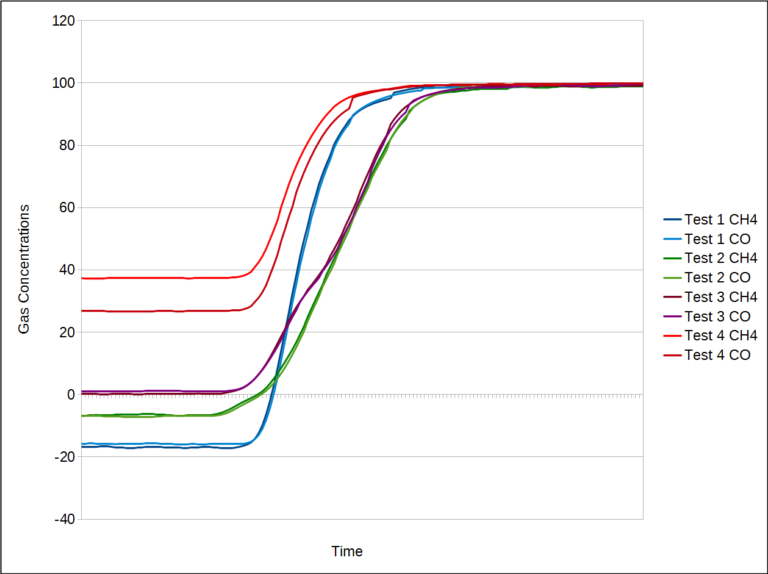
Last week I ran across a couple errors in some DLCO tests that I don’t remember seeing before, or at least not as distinctly as they appeared this time. If I hadn’t been looking carefully I could h…
Once again we’ve had some staff turnover. Rightly or wrongly, the pattern we follow in staffing the lab is to hire people with a science degree and then train them ourselves. Our hires are usually …
The ATS/ERS standard for spirometry recommends reporting the highest FEV1 and the highest FVC even when they come from different tests. Our lab software allows us to do this, but only with some ann…
One of the more significant changes that appeared in the 2017 ERS/ATS DLCO standards was the requirement that rapid-response gas analyzer (RGA) systems calculate VA using a mass balance approach. T…
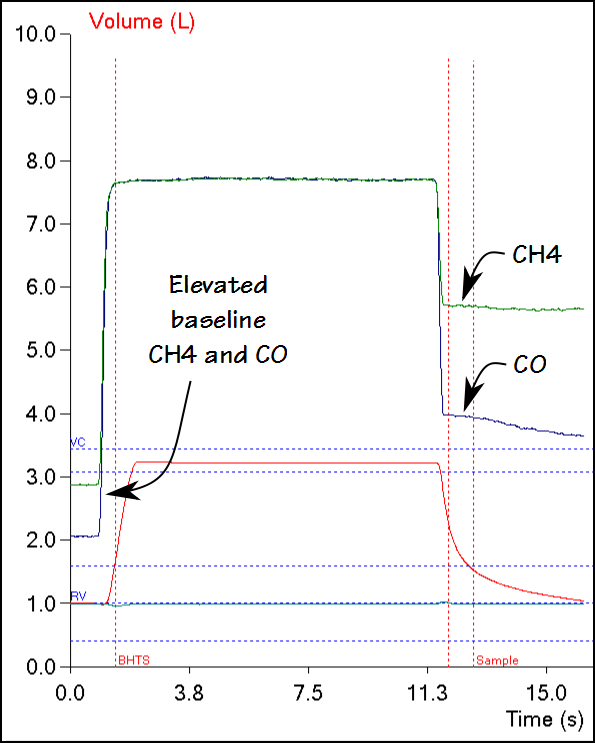
The new ERS/ATS standards for DLCO testing were published in the January issue of the European Respiratory Journal. The article was published as open access and can be downloaded from the ERJ websi…